
Small Deck Ideas: Getting More From Fewer Square Feet
A small deck is not a scaled-down version of a large one. On 400 square feet a mistake gets absorbed. On 80, everything shows, and so does everything you get right.
Decide What the Deck Is For
On a large deck you can have a dining zone, a lounge zone and a service zone and still have room to walk between them. On a small one you get a single purpose, and choosing it is the whole design.
Three purposes cover most small decks. A seating platform for two to four people needs the least space and tolerates the most irregular shape. A dining deck is the most demanding, because a table plus chairs pulled back needs considerably more clearance than the table footprint suggests. A threshold deck, a shallow band at the door, is used for standing, passing and putting things down rather than sitting.
Pick one. A small deck that does one thing well feels generous. A small deck asked to do three feels like a corridor with obstacles in it.
Small Deck Layouts
Six Small Deck Layouts
Each of these uses a part of the plot that most plans give up on.
The corner platform
Tucked into the angle where two boundaries meet, which is usually the least useful part of a small yard and the most sheltered. It uses space nothing else wants.
The threshold band
A shallow deck the width of the doors, extending the interior floor out by a few feet. Transforms how the inside room feels for very little square footage.
The floating island
A platform set away from the house with planting or gravel around it, reached by stepping pads. Makes a small yard read as a garden with a destination.
The full-footprint deck
Deck the entire small yard, edge to edge. Counterintuitive, but on very small plots one continuous surface reads larger than a deck plus a strip of struggling grass.
The side-return deck
The narrow strip alongside a house, usually written off as circulation. Decked and planted it becomes private and sheltered, and it is often the only part of an urban plot that gets evening sun.
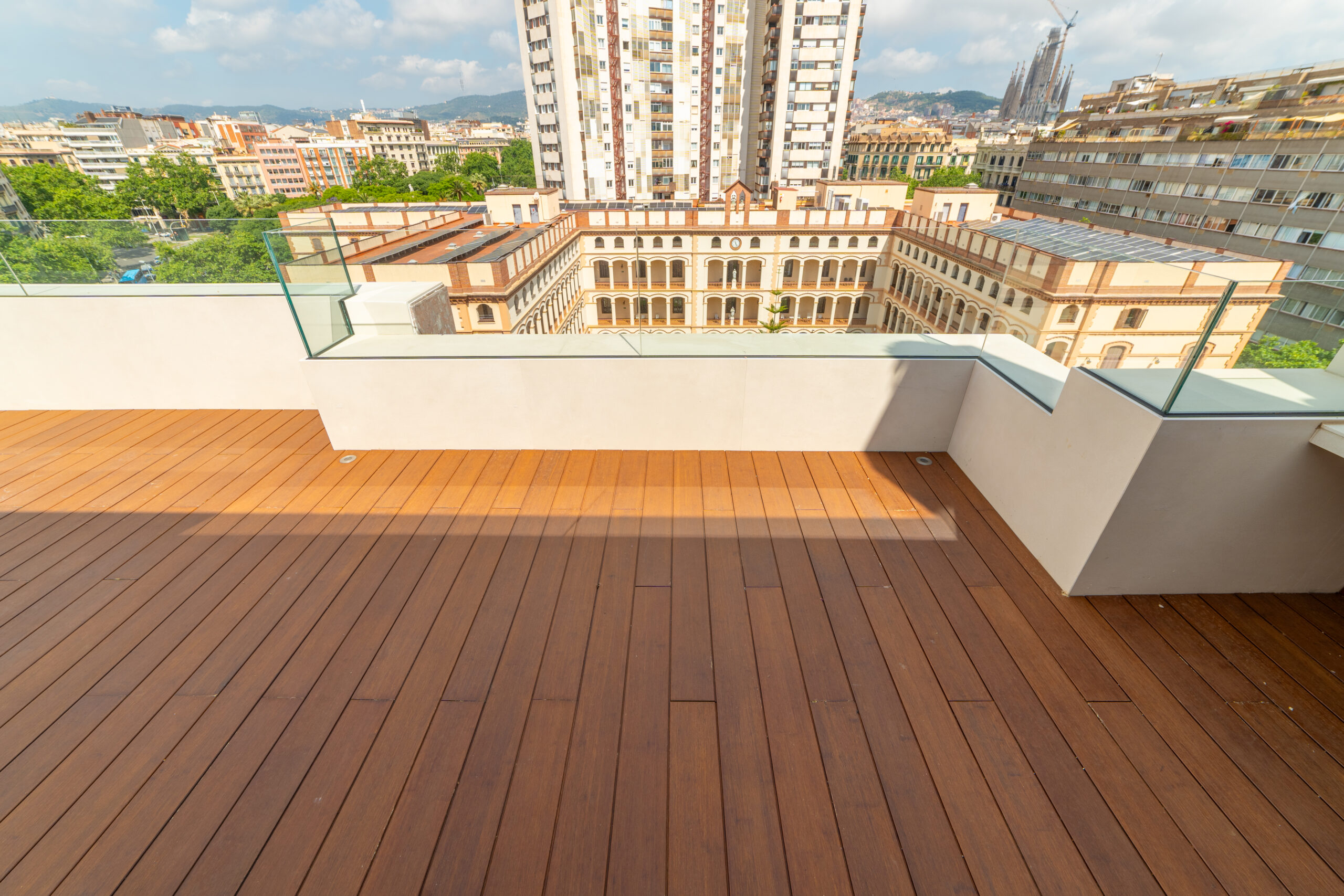
The balcony deck
Fixed dimensions, a fixed boundary and an existing surface that cannot be removed. The extreme case, and the one with the most constraints.
Small Backyards
Small Backyard Deck Designs
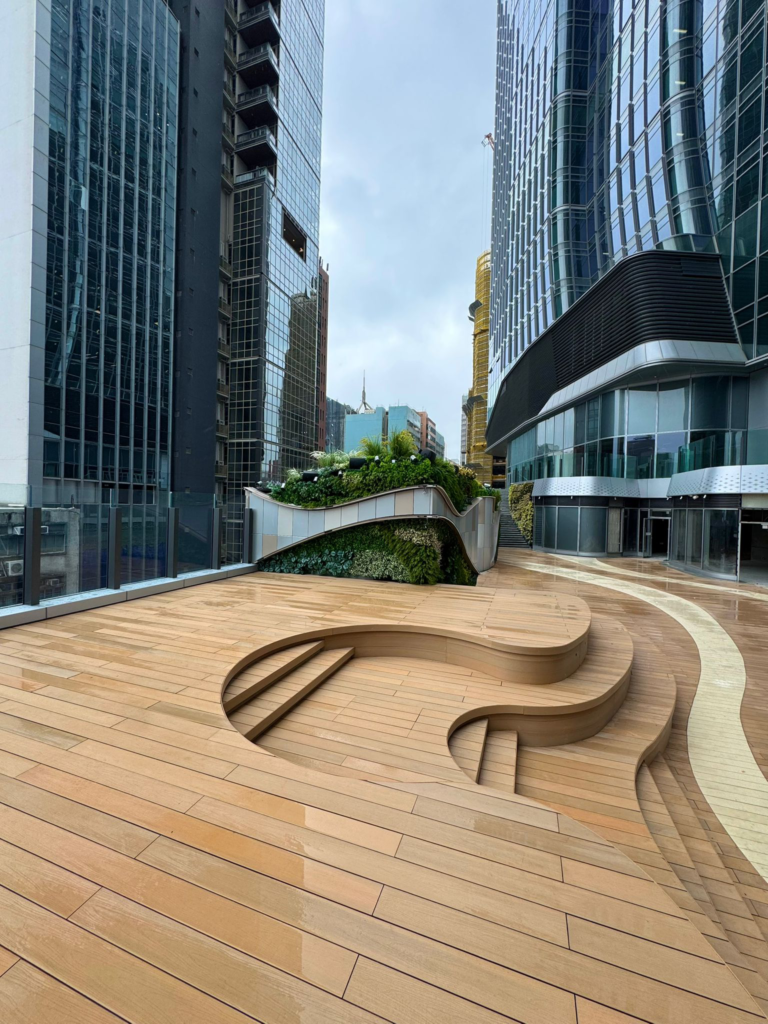
Small yards have a problem larger ones do not: every element competes with every other. A deck, a lawn, a planting bed and a path in a 400-square-foot yard leave nothing large enough to use. The most successful small designs reduce the number of elements rather than shrinking all of them. Two strategies do this reliably.
Urban Terraces
Balconies and
Urban Terraces
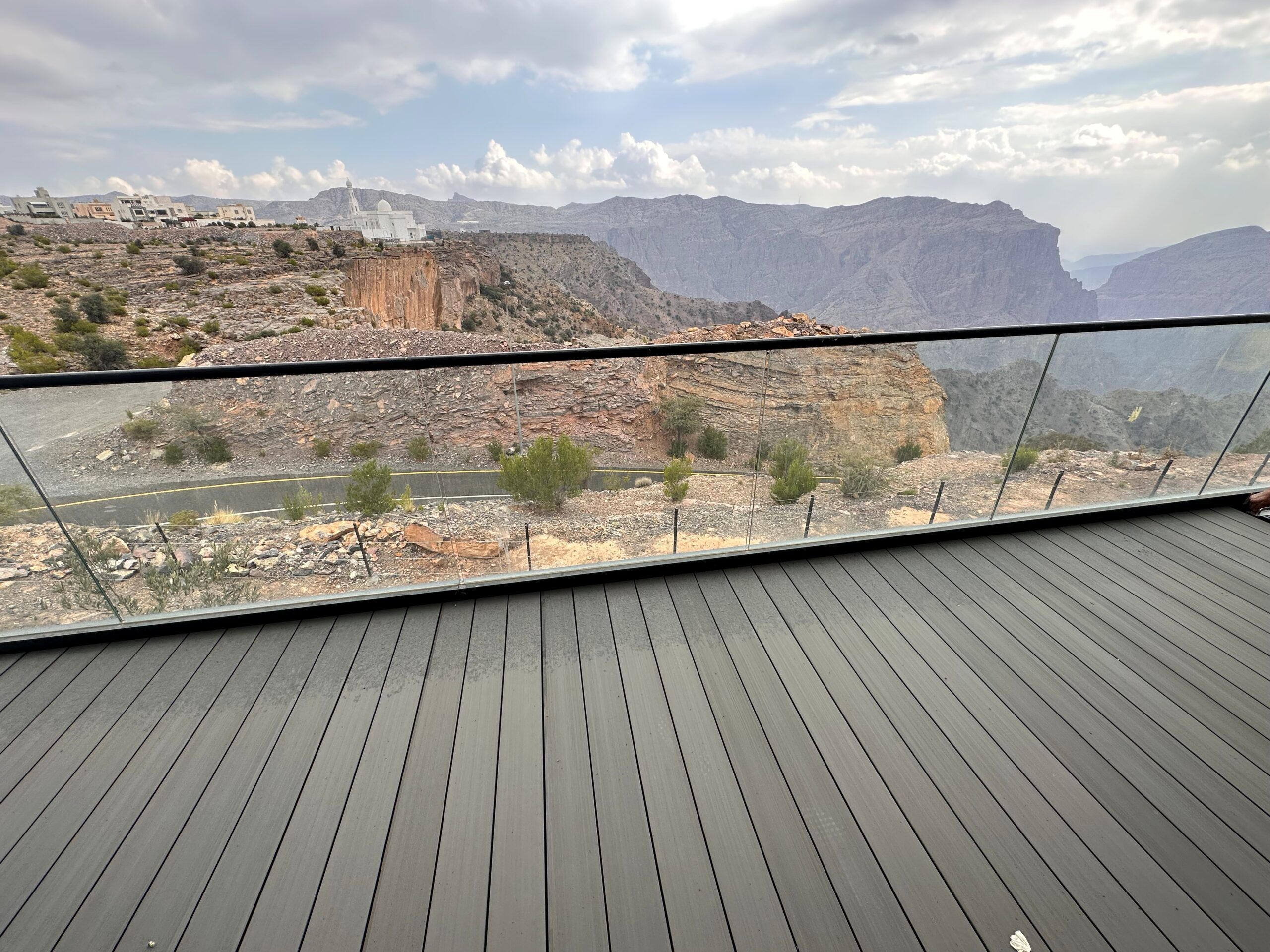
A balcony is the extreme case of a small deck. Decking over the existing surface is the standard solution, because it warms the space, hides a tired substrate and can be laid without demolition. Three constraints govern every balcony project and none of them is aesthetic.
Small Deck Budget
Small Deck Ideas
on a Budget
In a small space, budget behaves differently: the square footage is already low, so the savings have to come from elsewhere.
On a small deck the material is a small proportion of the total cost and the entire visual result. This is the one line item where trading down is most visible, so the saving should come from structure and shape, not from the surface.
Stay near grade
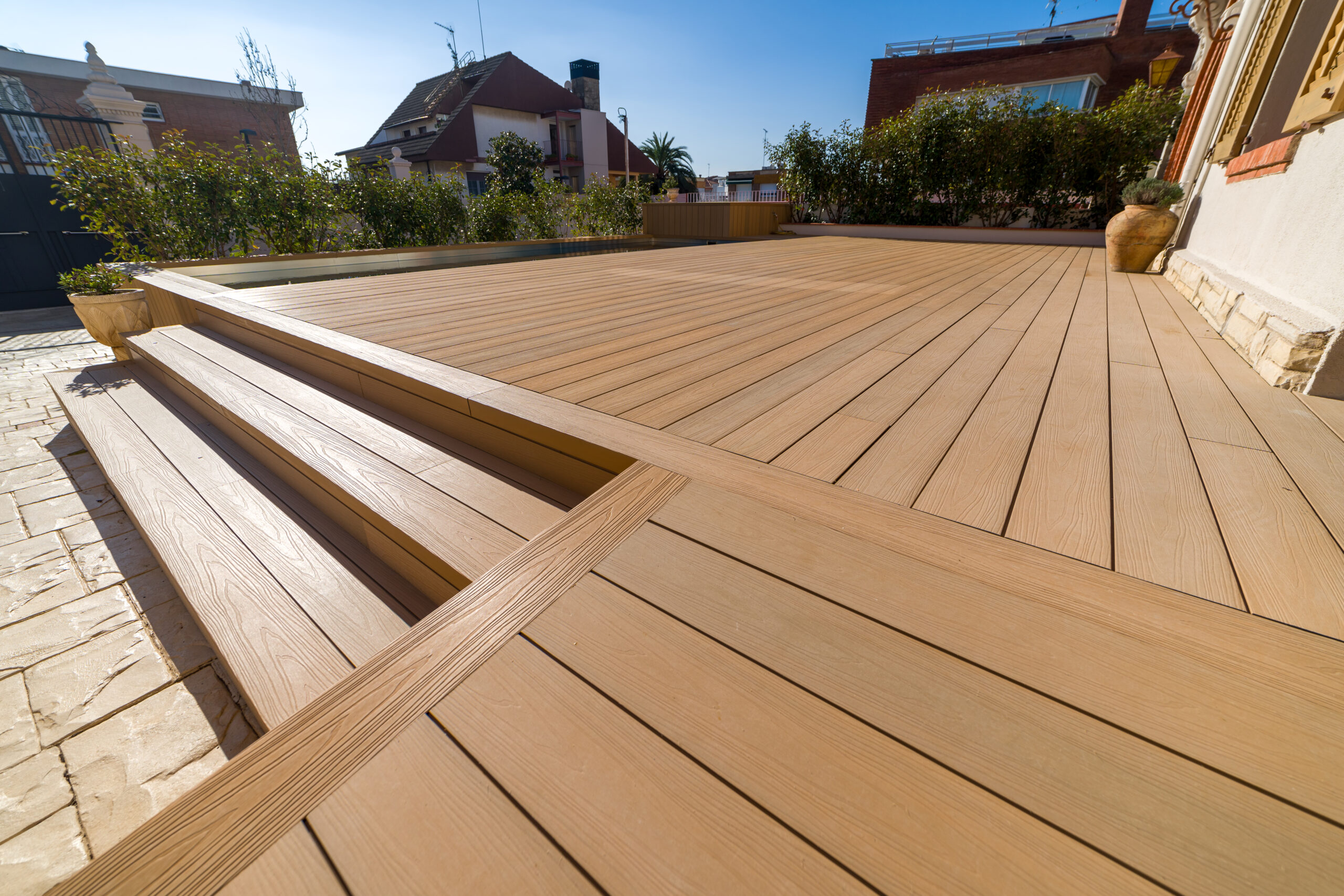
Height drives structure and can trigger guard requirements. A deck a few inches off the ground is dramatically cheaper than one three feet up, and on a small plot it usually looks better too.
Keep it rectangular
Angles and curves cost in cutting, waste and labor, and on a small deck they also eat usable area.
Skip the railing if the levels let you
Where the deck is low enough that no guard is required, not having one transforms both the cost and the sense of space. Confirm the threshold with your local building department.
Get the edge right
A clean, consistent edge against planting or paving costs almost nothing and does more for the finished look than any upgrade.
Decorating a Small Deck
Furniture is where most small decks are lost. The rule that matters is footprint including movement: a chair needs the space it occupies plus the space to pull it back, and a table for four needs roughly twice the area of the tabletop to be usable.
Four choices consistently work in tight spaces. Built-in or bench seating along an edge, which needs no clearance behind it. Folding or stackable chairs that leave the deck open when nobody is using it. A single generous side table instead of a dining table, where the deck is for sitting rather than eating. And vertical planting on the boundary rather than pots on the floor, because floor space is the scarce resource and wall space is free.
One more: keep the palette of materials short. On a small deck, three finishes read as busy. Deck, planting and one accent is usually enough.
Five Tricks That Make a Small Deck Feel Bigger
Run the boards the long way
Board direction along the longest dimension stretches the space. On a small deck this is the single most effective free decision available.
Keep the floor continuous with the interior
Matching or near-matching the level of the inside floor, and keeping the threshold as low as construction allows, makes the two spaces read as one room.
Use fewer, larger elements
One large planter beats five small ones. One bench beats four chairs. Fragmentation is what makes small spaces feel crowded.
Take the surface to the boundary
Stopping the deck short of the fence leaves a strip that reads as leftover. Running it to the edge, or to a planted band held in one line, reads as intentional.
Choose a lighter tone
In enclosed and shaded small spaces, which is most of them, a lighter surface reflects what light there is. Dark tones are dramatic and make a small, shaded deck feel smaller.
For the full palette discussion, see modern deck design and colours.
Materials for Small Decks
On a small deck the fastening system is disproportionately visible: with fewer boards in view, a grid of screw heads dominates. All three run on the same substructure and the same patented Shark Clip.
The most common choice: no staining or sealing, which matters more in a small space with permanent furniture that never moves, plus a twenty-year warranty against fading under normal use.
Where a small deck is a feature and real timber is the point. Maintenance in a tight space is quicker, but it has to actually happen.
A natural material with a very uniform appearance, which reads calmer across a small surface where variation is more noticeable.
Common Questions
Small Deck Design
Answers to the questions that come up most often when planning this, from the design decisions through to what your local building department will want to see.
01What are the best small deck ideas for a tight yard?
02How do I make a small deck look bigger?
03What are small deck ideas on a budget?
04Should I deck my entire small backyard?
05Can I put decking on a balcony?
06What furniture works on a small deck?
Small Space, One Purpose, Done Properly
Tell us the square footage, the level difference at the door and what the space is mainly for, and we will come back with the layout and the surface that fit. Small projects are where the details are most visible, and the easiest to get right from the start.
Or email usa@exterpark.com. Back to all design inspiration.