Pool decks
Pool Deck Materials for South Florida Homes: Pavers, Stone and Decking Compared
Most Florida guides to pool deck materials compare pavers, stone, concrete and tile. This one adds raised decking in composite, bamboo and hardwood, and explains what each surface means for heat underfoot, upkeep and reaching the pool plumbing below.
What a South Florida pool deck has to handle
A pool deck in Miami-Dade, Broward or Palm Beach County works under conditions that many national guides never mention. It takes direct sun for most of the year, it is splashed every day with chlorinated or salt water, and in the wet season it is soaked by heavy rain and dry again within hours. Sunscreen, leaf litter and pool chemicals all end up on a surface that people cross barefoot.
What sits underneath matters as much as the finish. Much of the region is built on sandy fill, and a slab or paver bed is only as stable as the base below it, so poor compaction and washout are the usual suspects when sections settle or crack. A pool deck also hides a lot of infrastructure: return lines, skimmer and drain piping, lighting conduit and often the run to the equipment pad.
Termite pressure is the third factor. Researchers at the UF/IFAS Fort Lauderdale Research and Education Center report that the Miami-Fort Lauderdale area is the only place in the continental United States where the ranges of the Asian and Formosan subterranean termites overlap, and a 2016 UF/IFAS projection estimated that half of South Florida’s structures will be at risk of subterranean termite infestation by 2040. For a pool deck, the exposure is greatest wherever wood framing sits below the surface.
The usual options: pavers, natural stone, concrete and tile
These four materials dominate pool deck installation across Florida, and each has earned its place. The differences come down to heat, joints, upkeep and how easily a damaged section can be repaired.
Concrete pavers
Interlocking pavers come in a wide range of colors and shapes, and individual units can be lifted and reset when a pipe below needs work. The sand joints need periodic attention (re-sanding, weed control and occasional releveling where the base has moved), and darker blends absorb more sun than light ones.
Natural stone: travertine, shellstone and coral stone
Light, porous stones are long-standing favorites in South Florida for their color and their feel underfoot. Porous stone generally needs a sealer, and around saltwater pools stone suppliers recommend a penetrating, water-repellent product to limit salt damage, so ask the supplier which sealer suits the specific stone and how often to reapply it.
Poured concrete
Concrete is the most economical way to cover a large area and accepts many finishes, from broom texture to stamped patterns and spray-applied coatings. It can crack if the base settles, coatings need renewing over time, and reaching a pipe under a slab means cutting and patching.
Porcelain tile and porcelain pavers
Porcelain is dense, absorbs little water and keeps its color, with looks that range from stone to wood. It needs a sound, well-drained base, and the texture of the specific product decides how it behaves when wet, so confirm with the manufacturer that the tile is intended for exterior pool decks.
Decking around the pool: composite, bamboo and hardwood
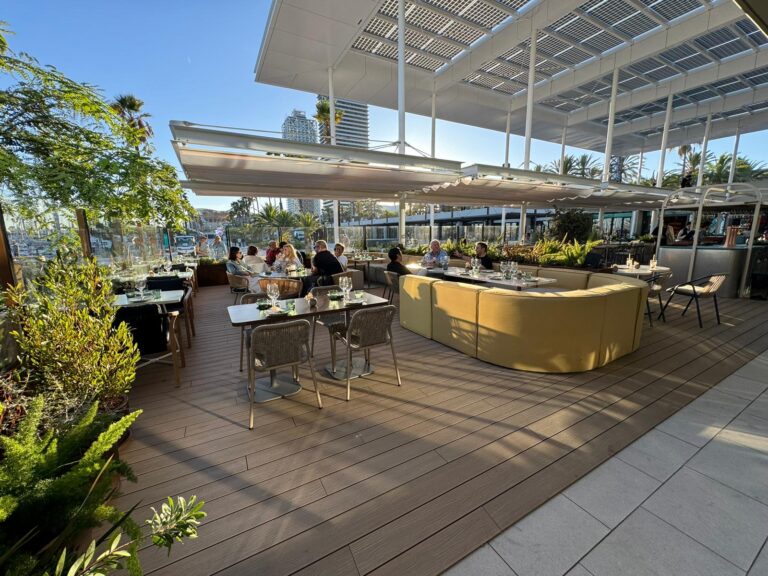
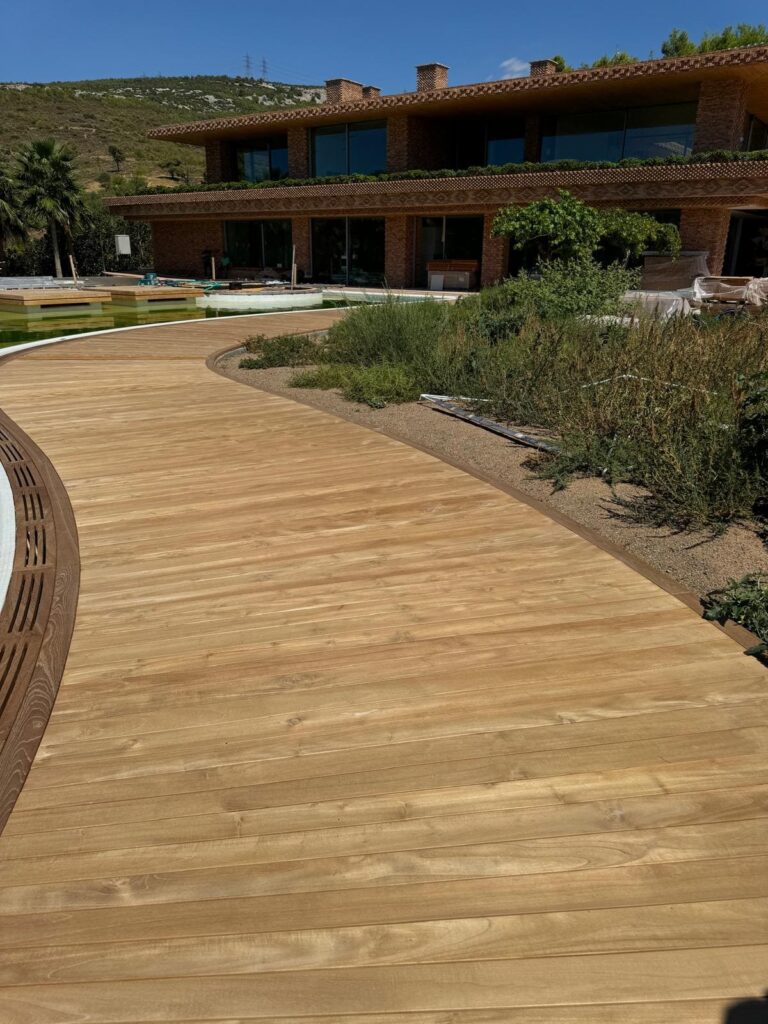
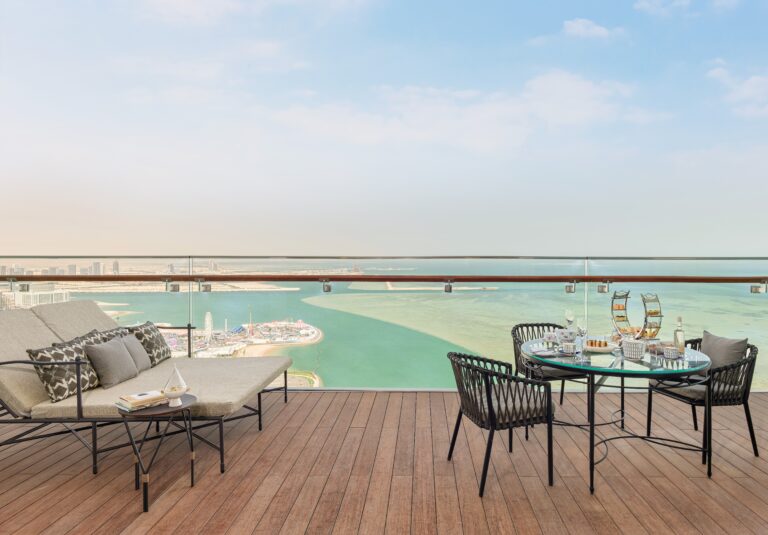
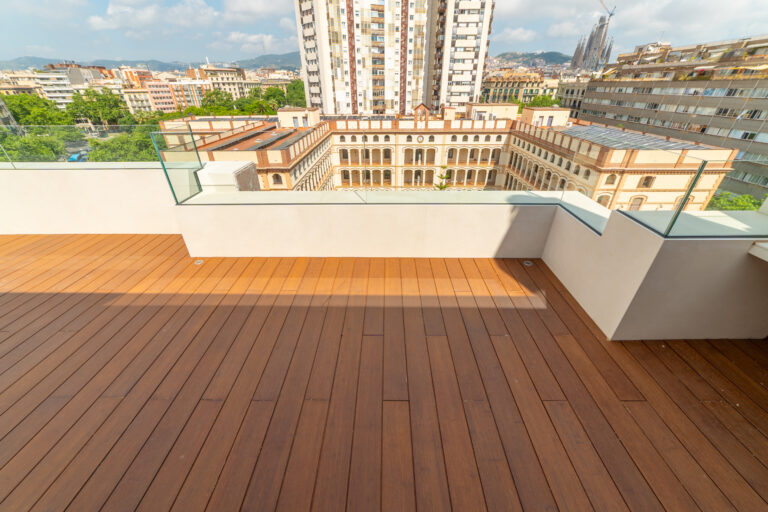
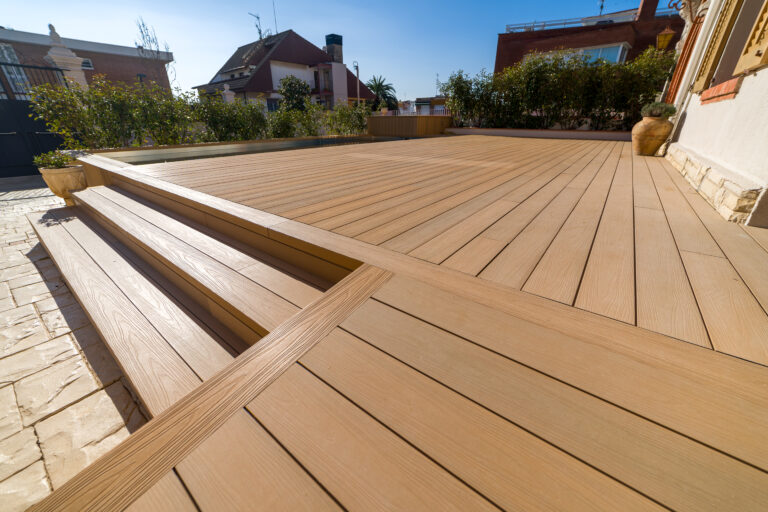
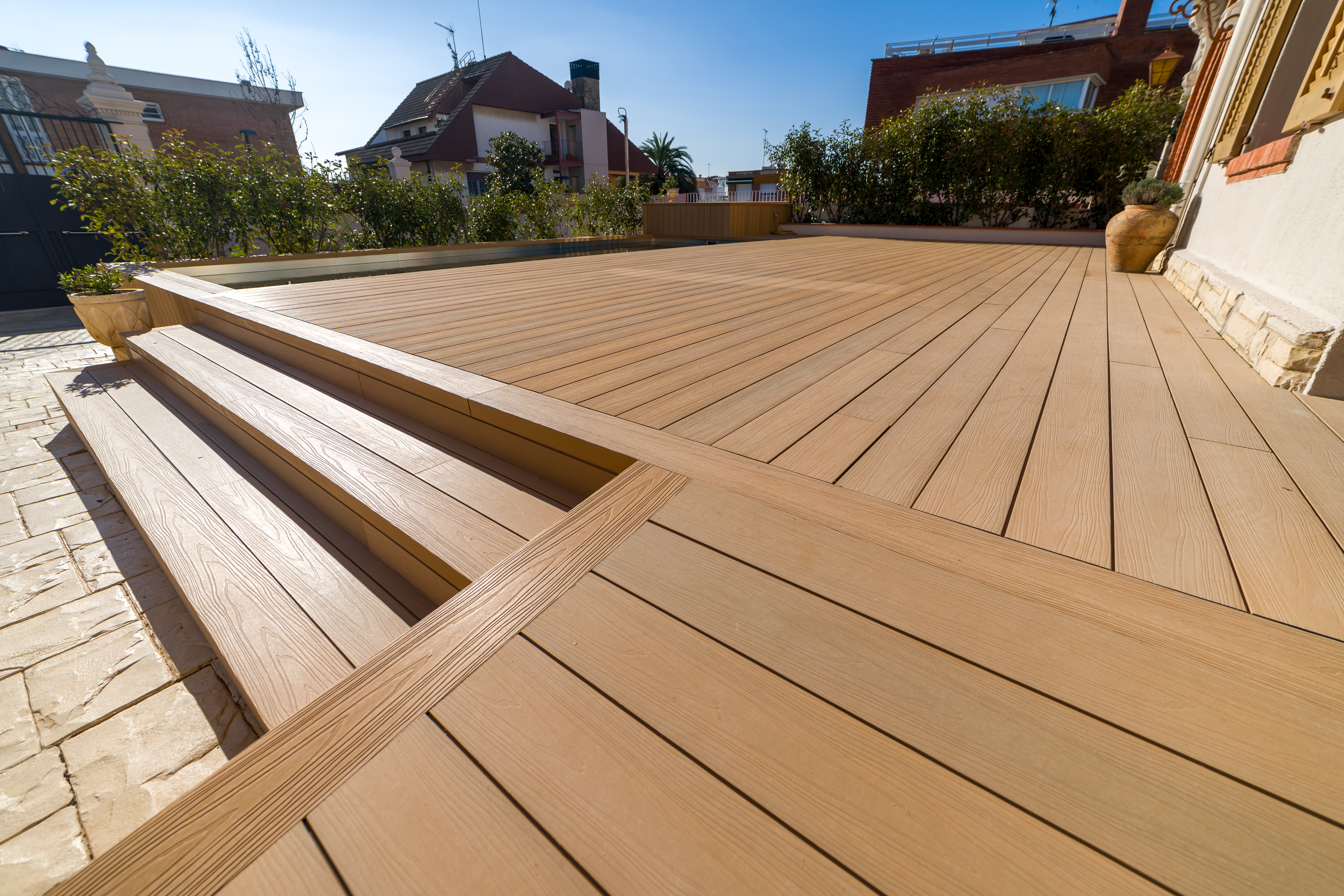
Raised decking on a substructure is the other family of pool deck materials, and the one the paver-focused guides leave out. Exterpark supplies three board families that all install on the same aluminum substructure with the patented Shark Clip, a hidden fastening system (formerly called Magnet) that won Most Innovative Construction Tool at the International Builders’ Show. There are no visible screws, each board can be removed on its own, and the manufacturer states that installation is up to three times faster than conventional fixing. Our pool decking page shows how the system comes together on a full pool surround.
Exterpark Tech (composite)
Composite pool decking with a realistic wood texture and no staining or sealing cycle. It carries a 20-year warranty against fading under normal use.
Exterpark Bamboo
Bamboo decking carbonized under a patented press into a dense structural board with the look of hardwood. Exterpark points out that bamboo grows around 27 inches a day, while an ipe tree takes about 70 years to reach harvest size, which makes this line a fit for projects with sustainability goals.
Exterpark Wood
Ipe, Kumaru, Teak (including FSC-certified Teak) and thermo-treated woods for projects that want real timber at the water’s edge and accept periodic maintenance as part of the plan.
Heat and plumbing access with raised decking
Two practical points separate decking from paved surfaces around a pool.
Heat underfoot
Color drives surface heat more than the material category does. The Heat Island Group at Lawrence Berkeley National Laboratory notes that dark pavements absorb 80 to 95% of sunlight and that solar-reflective surfaces stay cooler in the sun. The same reasoning applies when you choose the shade of any pool deck, so a light finish will heat less than a dark finish of the same material. Finding the best heat-resistant pool deck is as much a color decision as a material one. For composite, the manufacturer tested its light colors in Dubai at 41 °C (about 106 °F). That result describes how the boards hold up in extreme heat; it is not a surface temperature reading, and the most reliable check is still a sample left in direct sun on your own site. Shade and the placement of loungers also matter for barefoot comfort.
Access to pool plumbing and equipment
Access is where decking differs most from paved surfaces. With the Shark Clip system each board lifts out by itself, without unscrewing its neighbors or cutting the deck, so a technician can reach a leaking return line, a skimmer connection or a lighting cable and then click the board back into place. Pavers can also be lifted, though they have to be releveled and their joints refilled; concrete and tile usually have to be cut and patched, and the patch rarely matches the surrounding surface. The aluminum substructure below the boards gives termites nothing to feed on and does not rust. For a pool that will need service many times over its life, being able to open the deck without demolition is often the deciding factor in choosing a pool deck composite system over a slab.
How to choose: a quick comparison table
The table compares the materials above on the four points that usually settle a Florida project. It covers materials only; for layouts, zones and surround shapes, see our pool deck ideas. Two questions narrow the list quickly: how much sun the deck takes during the hours it is used, and how likely it is that someone will need to reach the plumbing below.
| Material | Heat underfoot | Maintenance | Access to plumbing below | Look |
|---|---|---|---|---|
| Poured concrete | Depends on color and finish; light coatings help | Coating renewal; crack repair if the base moves | Cut and patch | Plain, stamped or coated |
| Concrete pavers | Light blends heat less than dark ones | Joint sand, weed control, releveling | Lift and reset units | Wide range of colors and patterns |
| Natural stone (travertine, shellstone, coral stone) | Light stones are a traditional choice for barefoot areas | Sealing, especially near salt water | Lift and reset if laid dry; cut if mortared | Natural, varied veining and texture |
| Porcelain tile or pavers | Varies with color and texture | Low; joints need care | Cut and replace tiles | Stone, concrete or wood looks |
| Composite decking (Exterpark Tech) | Choose light colors for full sun | No staining or sealing; 20-year fading warranty | Each board removable | Wood-like texture |
| Bamboo decking (Exterpark Bamboo) | Varies with tone | Follow the manufacturer’s care guide | Each board removable | Hardwood look |
| Hardwood decking (Exterpark Wood) | Varies with species and tone | Periodic cleaning, oiling or refinishing | Each board removable | Real timber |
Pool decks in Fort Lauderdale, West Palm Beach and Miami
Exterpark USA serves homeowners, architects and pool contractors across South Florida from its warehouse in Hialeah, with Cedro Rojo as authorized distributor. Each coastal market adds its own conditions to the list above: canal-front lots, salt air on oceanfront properties, older slabs being renovated, and community rules that can shape what gets built.
If you are planning a custom pool deck in Fort Lauderdale or a pool deck installation in West Palm Beach, the city pages cover the decking options and how to request a quote in each area. In Miami and the rest of Miami-Dade, the team can review your plans directly.
Whichever material you shortlist, test it where it will live: put samples in the sun on site, wet them, and walk on them barefoot before you decide.
Common questions
Pool deck materials FAQ
Short answers to the questions that come up most when choosing a pool deck surface in South Florida.
01Which pool deck material stays coolest in the Florida sun?
02Is composite decking slippery when wet?
03Can decking go over an existing concrete pool slab?
04Do termites affect pool decks in South Florida?
05What warranty comes with composite pool decking from Exterpark?
Choose your pool deck material with a specifier
Send us the pool deck size in square feet, the city, whether the pool runs on chlorine or salt, and photos of the existing surface. We will come back with the materials and colors that fit the site.